The Wait Is Over Register Now!
Register now for our hands-on Atraumatic Extraction of Primary Teeth course and develop practical skills in patient assessment, instrument selection and atraumatic extraction techniques. Gain hands-on experience and learn techniques designed to support safe, predictable extractions in your clinical practice.
Register Now!00
DAYS
00
HOURS
00
MINS
00
SECS
Atraumatic Extraction of Primary Teeth
This course is designed to help oral health therapists and dental therapists build confidence in the safe, atraumatic extraction of primary teeth using periotomes, luxators, and elevators. It places strong emphasis on anatomical assessment, instrument selection, correct technique, and complication management, alongside scope of practice and evidence-based decision-making. The course is delivered in two parts: a foundational component covering scope of practice, anatomical considerations, and the principles of atraumatic technique, and an in-person hands-on workshop where participants practise instrument handling and simulated extractions, work through case-based scenarios, and consolidate learning in a supervised, small-group setting.
Target Audience
- Oral health therapists
- Dental therapists
- CPD-seeking clinicians wanting to update their skills on periotomes, luxators, and modern instrument selection
Foundations of atraumatic exodontia
Introduces why atraumatic technique matters for extracting primary teeth, its impact on socket integrity and healing, and the scope of practice of oral health and dental therapists in this area. It also explains why instrument selection and technique are central to safe, quality extraction.
Assessment and treatment planning for extraction
Covers pre-assessment of the patient, anatomical features to consider before extracting a primary tooth, and the role of radiographic assessment. This module reinforces the common indications for extraction — non-restorable teeth, periapical pathology, over-retention, and orthodontic reasons.
Anaesthesia and preparing for extraction
Explains why adequate anaesthesia is critical to a safe, atraumatic extraction, and highlights known gaps in clinician confidence around dosing. It also covers the broader pre-operative steps needed before instrumentation begins.
Principles of atraumatic technique
Explains the mechanical principles underpinning exodontia, including levers, wedge action, and wheel-and-axle movement. It contrasts conventional extraction technique with the atraumatic approach, reinforcing why atraumatic technique is now the clinical standard.
Instruments— periotomes, luxators, and elevators
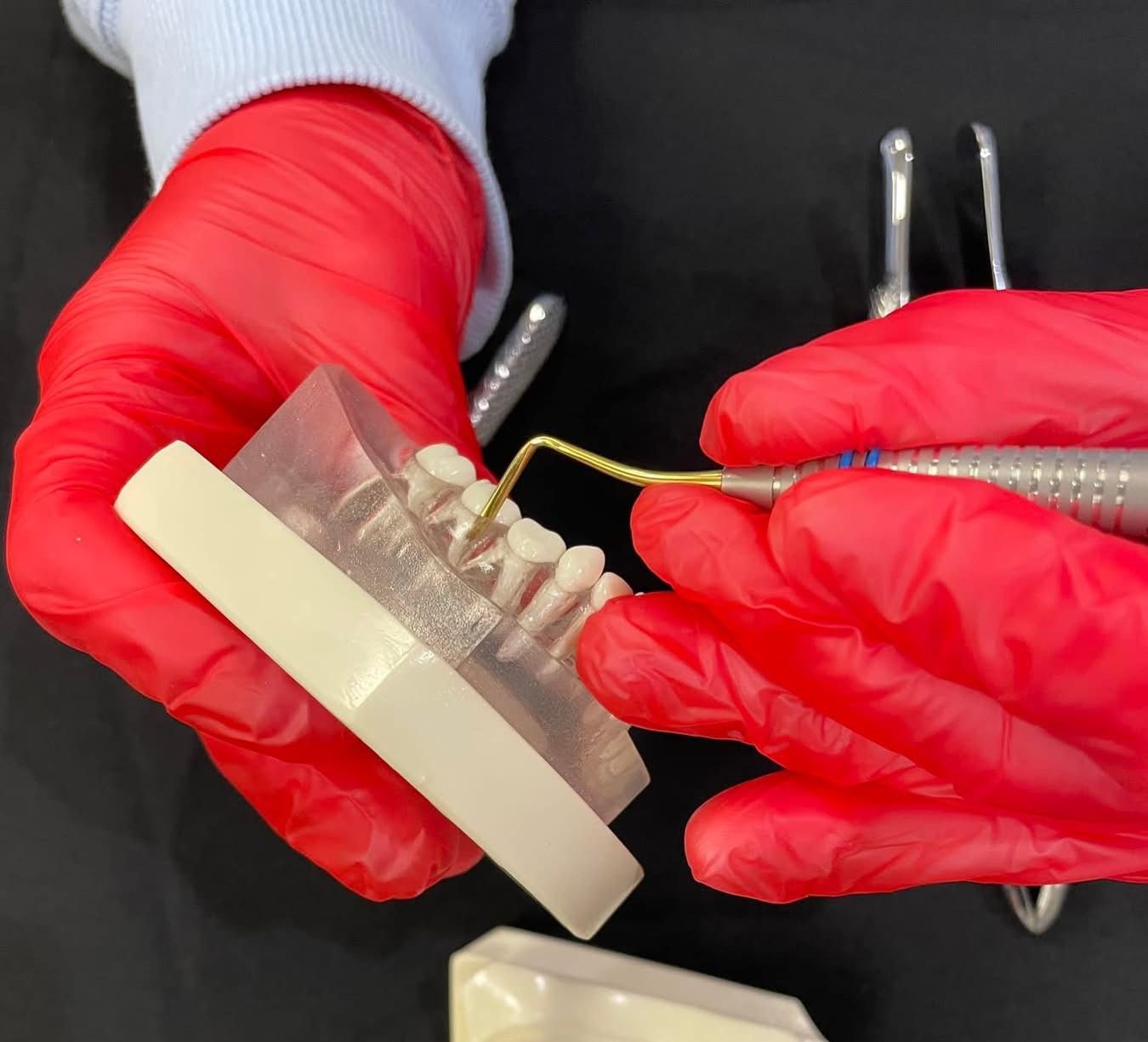
Teaches the design, grasp, insertion angle, and movement technique for periotomes, luxators, and elevators (including Cryer and Warwick James types). It also clarifies which instruments — such as desmotomes and Coupland elevators — fall outside OHT/DT scope and why.
Delivering the tooth and managing complications
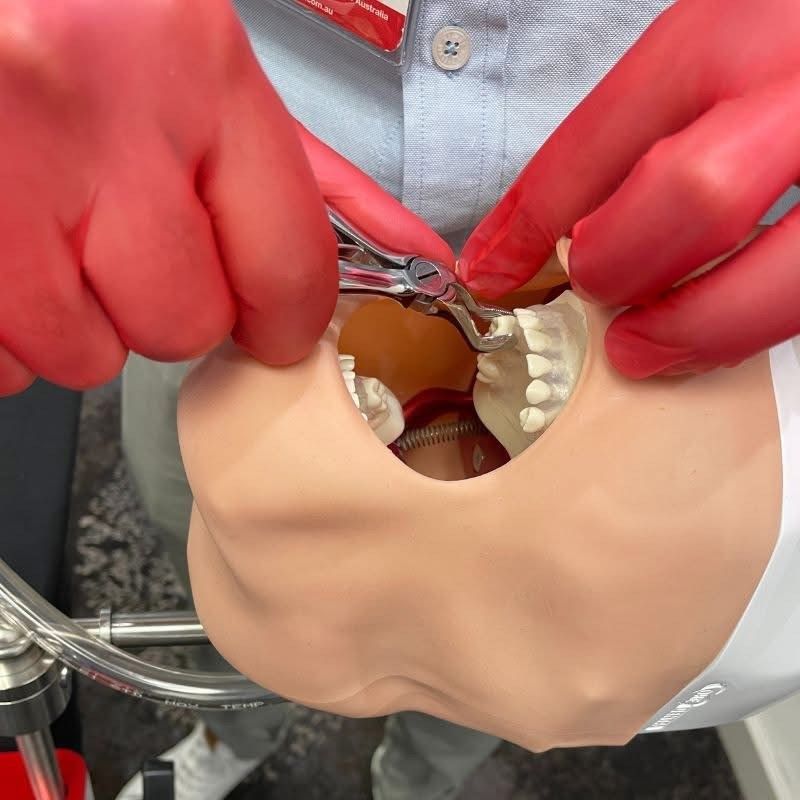
Covers correct use of paediatric forceps to deliver the tooth, immediate post-extraction socket care, and how to recognise and manage complications such as haemorrhage, fractured roots, or damage to underlying permanent tooth buds. It also includes structured post-operative instructions and documentation.
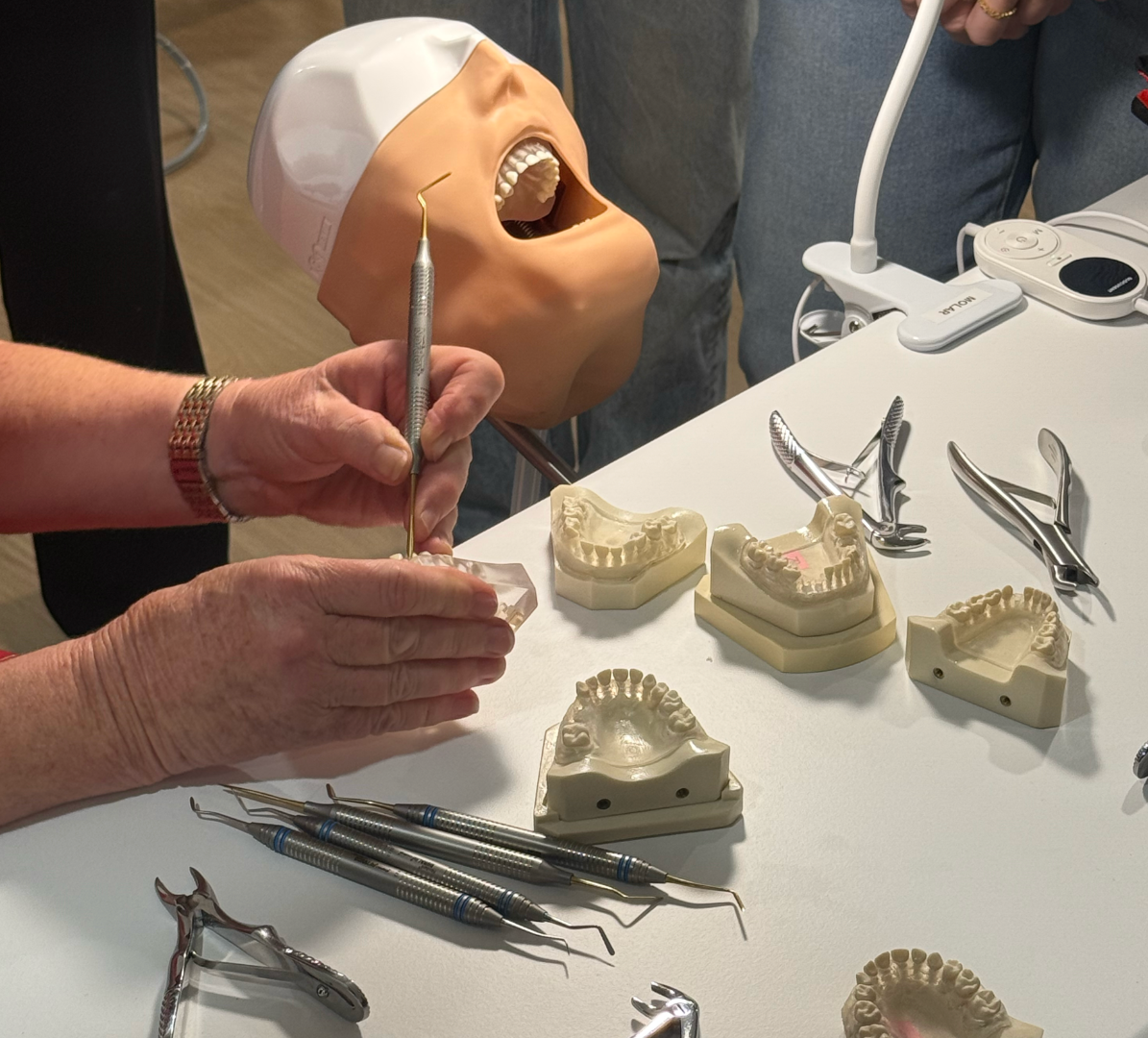
Practical simulation workshop
A hands-on section where participants identify, handle, and practise using periotomes, luxators, and elevators on dental manikins, applying correct grip, fulcrum, and technique in a supervised environment. This module should be strongly skills-based and assessment-focused.
Reflection and clinical application
Encourages participants to reflect on their own practice, including case selection, instrument ordering, and reprocessing considerations, and to identify learning gaps — including the value of ongoing mentorship. It also reinforces prevention, thorough documentation, and sustainable, patient-centred care.
Core outcomes
Skills You Will Gain
Clinical reasoning and diagnostic skills
Treatment planning and case selection skills
Technical and procedural skills
Post-operative and monitoring skills
Practical, reflective, and professional skills