
Master Atraumatic Primary Teeth Extraction - Boost Confidence & Refine Skills
Tried learning through textbooks but found it too theoretical? Our course bridges the gap between theory and practice. Pre-sign up now for early access!
Join Our Waitlist
Join our waitlist to receive priority updates and early access before enrolments open to the public.
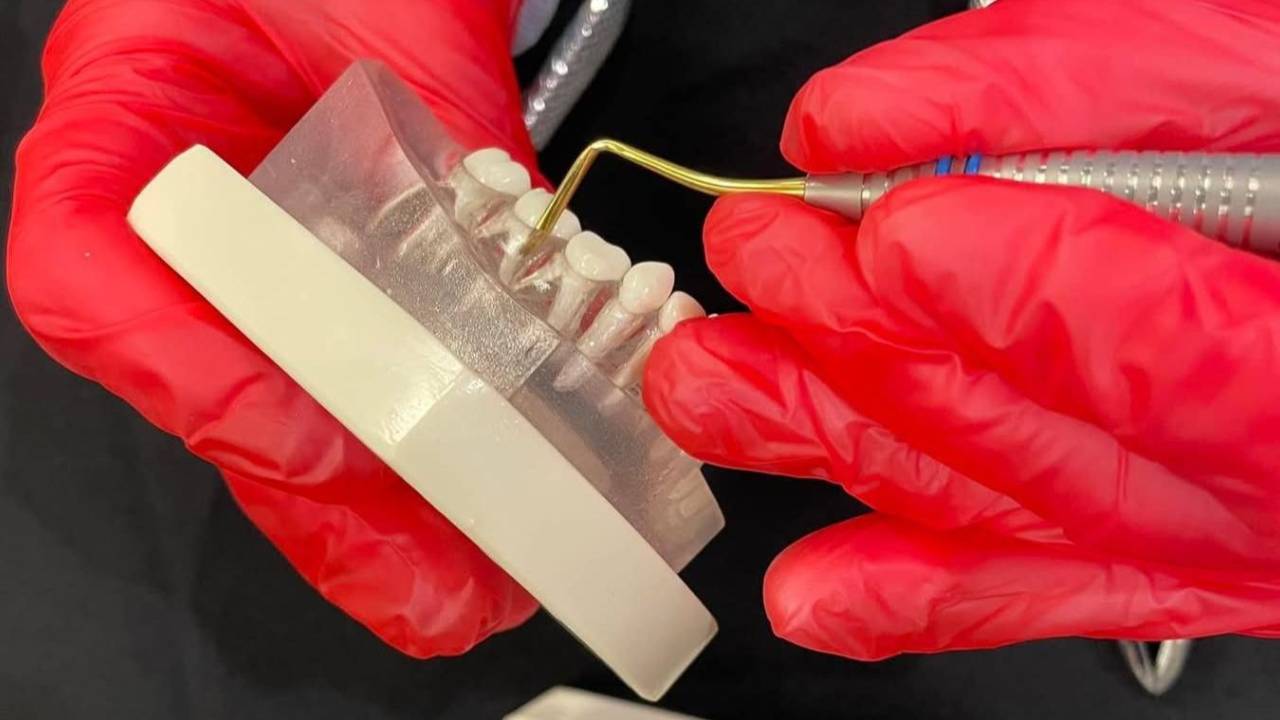
Atraumatic Extraction of Primary Teeth
-
Course Introduction
1 lesson- Welcome to the Course
-
Pre Course: Theory Revision
4 lessons- Significance of Primary Teeth
- Knowledge Check Activity
- Extracting deciduous teeth
- Alignment with your Scope of Practice
-
Course Wrap Up
3 lessons- Wrapping Things up
- Continue Your Learning
- The SITE Community
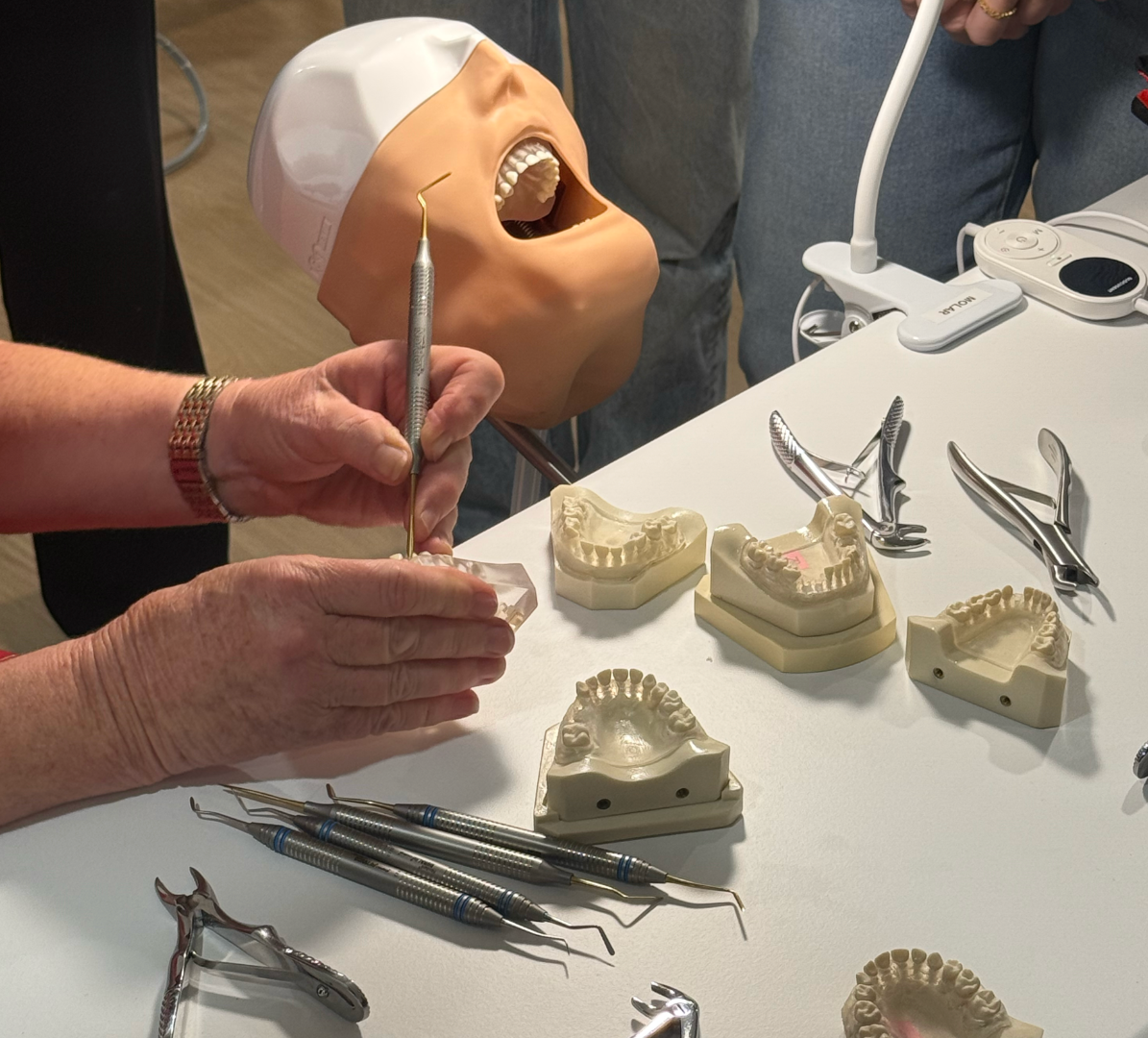
Skills You Will Gain
- Understand the importance of atraumatic extraction techniques in maintaining socket integrity, promoting healing, and protecting developing permanent teeth.
- Recognise the indications for extraction of primary teeth, including non-restorable teeth, pathology, over-retention, and orthodontic requirements.
- Interpret clinical and radiographic findings, including root morphology and proximity to permanent tooth buds, to support safe treatment planning.
- Select appropriate instruments and techniques, including periotomes, luxators, elevators and paediatric forceps, based on the individual clinical situation.
- Apply correct instrument handling, positioning, and extraction movements to minimise trauma and safely remove primary teeth or root fragments.
- Understand scope of practice and professional responsibilities, including recognising instruments and procedures that are outside OHT/DT scope.
- Demonstrate effective post-operative management, including haemorrhage control, patient instructions, recognition of complications, and accurate documentation.
- Develop reflective and patient-centred practice by identifying learning gaps, seeking mentorship, and applying atraumatic extraction principles to improve future clinical outcomes.