
Master Local Anaesthesia Techniques: From Histology to Safe Clinical Use
Tried learning through textbooks but found it too theoretical? Our course bridges the gap between theory and practice. Pre-sign up now for early access!
Join Our Waitlist
Join our waitlist to receive priority updates and early access before enrolments open to the public.
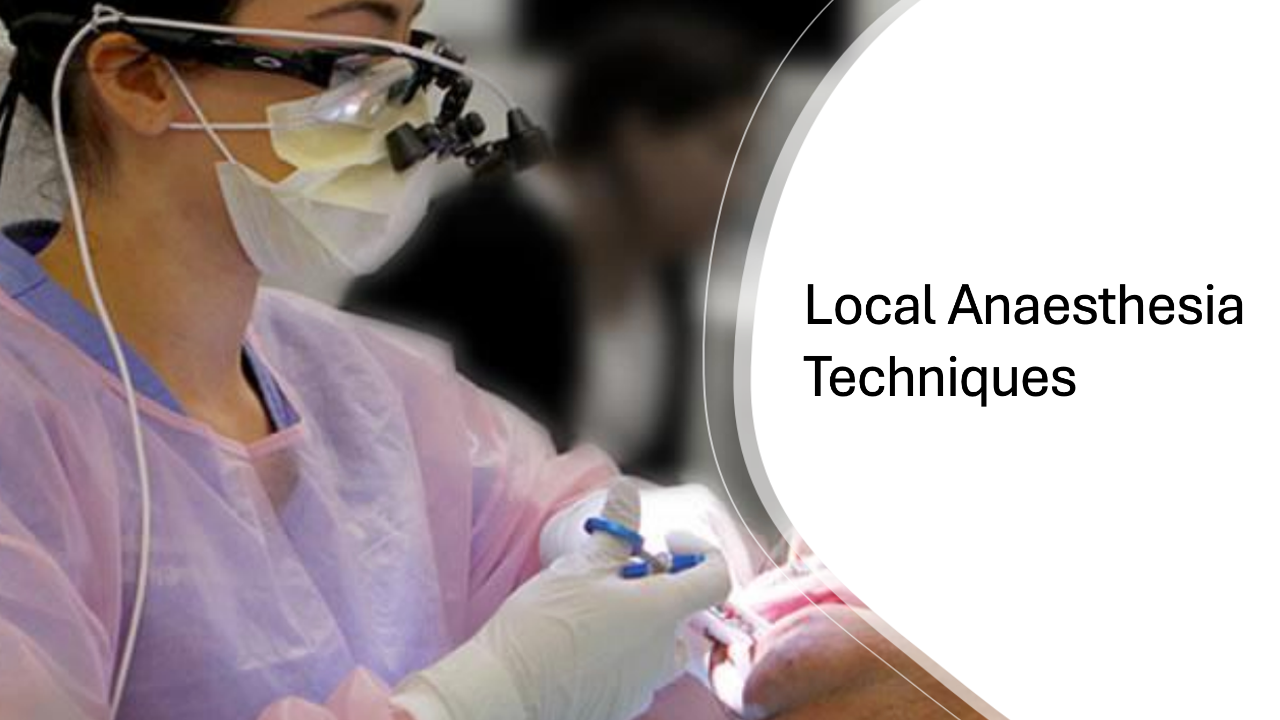
Local Anaesthesia Techniques
-
Course Introduction
4 lessons- Welcome to the Course
- The In-Lesson Course Structure
- Overview of in Person Workshop Day
- Outline and Objectives
-
Pre Workshop Theory
7 lessons- Understanding Pain & Role of Local Anaesthesia
- Basic Nerve Physiology & Impulse Transmission
- How Local Anaesthethic Agents Work
- Oral Nerve Supply and Clinical Landmarks
- Local Anaesthetic Agents Used in Dentistry
- Applying Local Anaesthesia Safely in Clinical Practice
- Check Point Quiz
-
Post Workshop Theory
7 lessons- Pain is individual and must be managed with patient-centred care
- Local anaesthetic agents interrupt nerve impulse transmission
- Diffusion and tissue conditions affect LA success
- Anatomical knowledge supports safe and predictable LA
- Agent selection should be based on clinical need and patient safety
- Incomplete anaesthesia should be assessed systematically
- Check Point Quiz
-
Course Wrap Up
3 lessons- Wrapping things Up
- Continue Your Learning
- The SITE Community
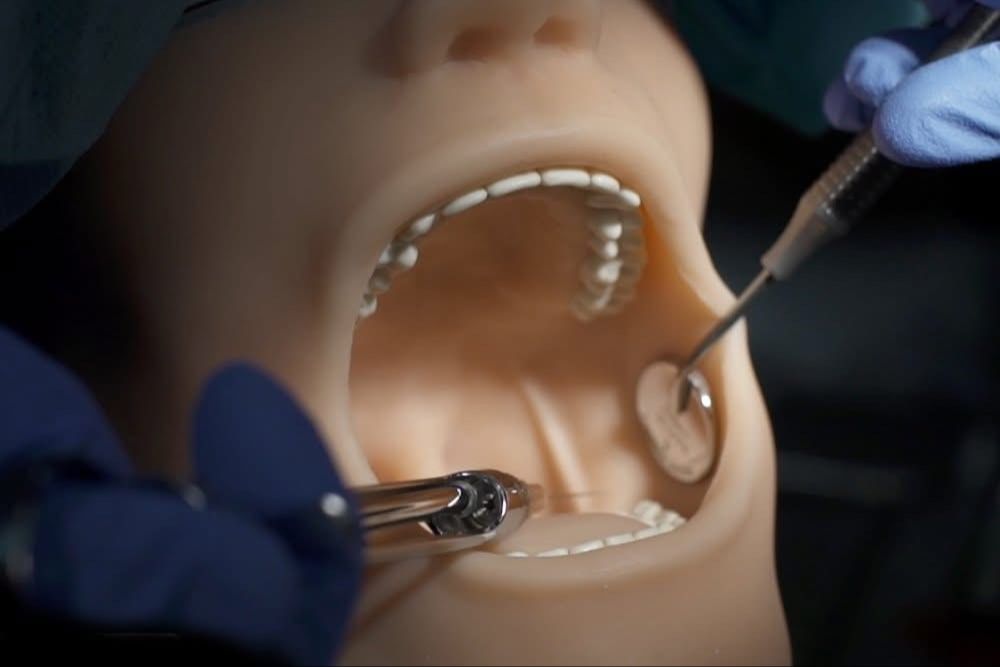
Skills You Will Gain
- Confidently select the correct local anaesthetic agent and dosage for different clinical scenarios
- Identify and avoid key anatomical structures to reduce risk of nerve injury, haematoma, or intravascular injection
- Calculate maximum safe doses and adjust for age, weight, and medical status
- Recognise early signs of local anaesthetic toxicity and respond appropriately
- Manage common complications (failed block, post-op numbness, trismus, soft-tissue trauma) safely and calmly
- Communicate clearly with patients to reduce anxiety and gain consent for local anaesthesia