
Managing Pulps & Pain in Primary Teeth
Tried learning through textbooks but found it too theoretical? Our course bridges the gap between theory and practice. Pre-sign up now for early access!
Join Our Waitlist
Join our waitlist to receive priority updates and early access before enrolments open to the public.
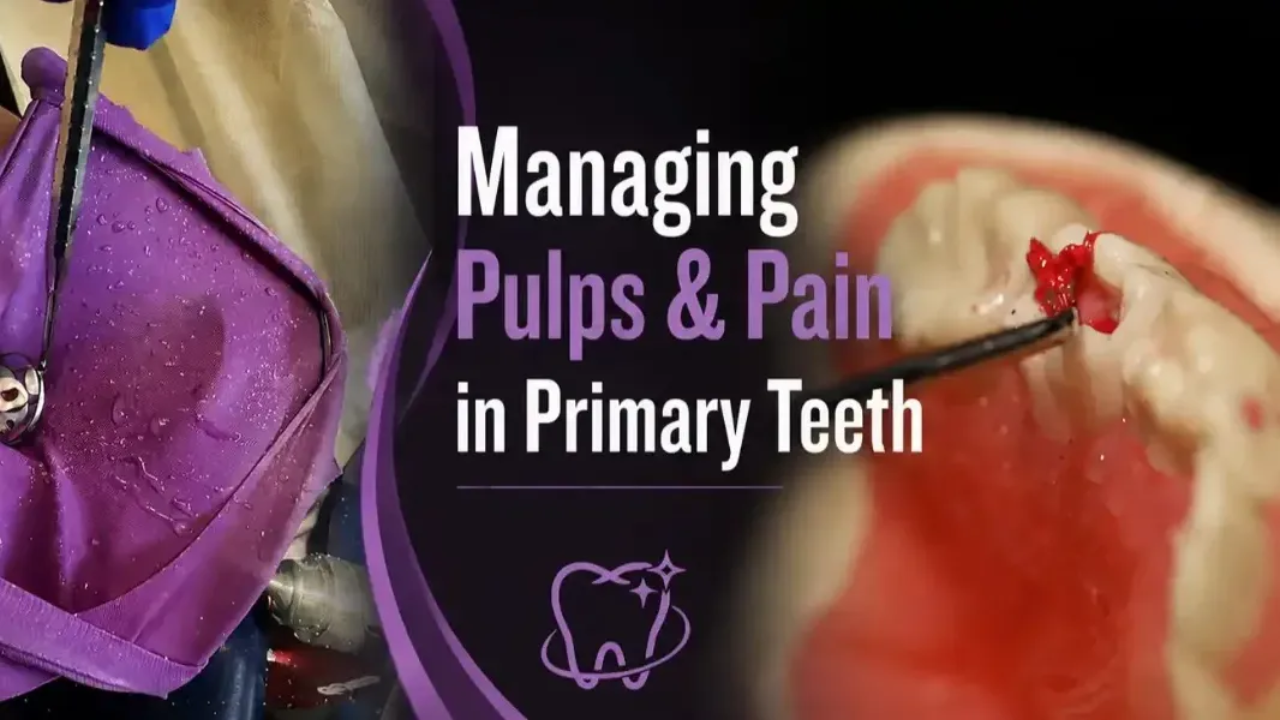
Managing Pulps & Pain in Primary Teeth
-
Course Introduction
4 lessons- Welcome to the Course
- The In-Lesson Course Structure
- Overview of in Person Workshop Day
- Outline and Objectives
-
Pre-Course Theory
9 lessons- Lesson 1.1 Primary Tooth Anatomy — Setting the Foundation
- Quick Check Quiz - Lesson 1.1
- Lesson 1.2 How Pulps Respond to Irritation
- Quick Check Quiz - Lesson 1.2
- Lesson 1.3 The Pulp Health Continuum
- Quick Check Quiz - Lesson 1.3
- Lesson 1.4 Diagnosis: Why "Watch and Wait" Doesn't Work
- Quick Check Quiz - Lesson 1.4
- Lesson 1.5 Before You Arrive
-
Post-Course Theory
9 lessons- Lesson 2.1 Clinical and Histological Features Revisited
- Quick Check Quiz - Lesson 2.1
- Lesson 2.2 Choosing the Right Treatment Pathway
- Quick Check Quiz - Lesson 2.2
- Lesson 2.3 Evidence-Based Practice in Action
- Quick Check Quiz - Lesson 2.3
- Lesson 2.4 Bringing It Together: Confident Clinical Decision-Making
- Quiz Check Quiz - Lesson 2.4
- Lesson 2.5 Reflective Practice
-
Course Wrap Up
3 lessons- Wrapping Things Up
- Continue Your Learning
- The SITE Community
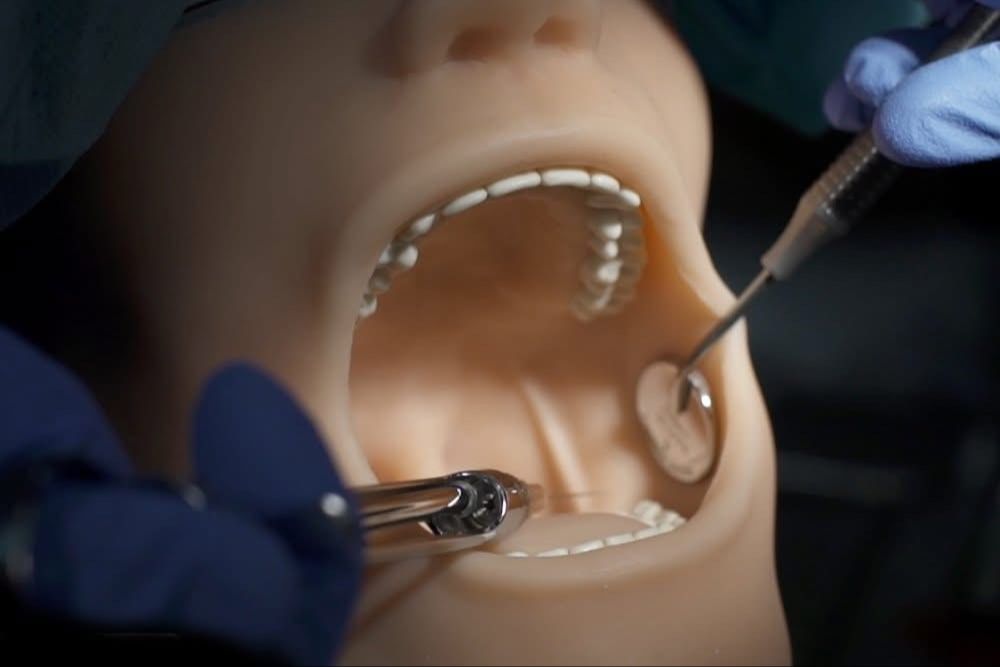
Skills You Will Gain
- Confidently select the correct local anaesthetic agent and dosage for different clinical scenarios
- Identify and avoid key anatomical structures to reduce risk of nerve injury, haematoma, or intravascular injection
- Calculate maximum safe doses and adjust for age, weight, and medical status
- Recognise early signs of local anaesthetic toxicity and respond appropriately
- Manage common complications (failed block, post-op numbness, trismus, soft-tissue trauma) safely and calmly
- Communicate clearly with patients to reduce anxiety and gain consent for local anaesthesia