The Wait Is Over Register Now!
Registrations are not yet open, so join the waitlist to secure your place in line. By registering your interest, you will be among the first to receive early access when enrolments open, giving you the best chance to secure an early bird offer before spots fill.
Register Now!00
DAYS
00
HOURS
00
MINS
00
SECS
Managing Pulps & Pain in Primary Teeth
This course is designed to help oral health therapists and dental therapists build confidence in diagnosing pain in primary teeth, making appropriate treatment decisions, performing pulpotomies, and restoring primary molars with stainless steel crowns. It places strong emphasis on documentation, case selection, scope of practice, and evidence-based decision-making. The course is delivered in three parts: a pre-course online module to build foundational knowledge before the workshop, an in-person hands-on session to practise clinical skills and apply learning in a supervised environment, and a post-course online component to reinforce key concepts, support reflection, and consolidate learning after the workshop.
Target Audience
-
Oral health therapists.
-
Dental therapists.
-
Clinicians working in paediatric dentistry or community oral health.
- New graduates needing more confidence.
Foundations of pulp management
Introduces why pulp management in primary teeth matters, the impact on patient outcomes, and the role of oral health therapists within scope. It also explains why diagnostic accuracy and treatment selection are central to quality care.
Diagnosing pain in primary teeth
Focuses on the challenges of pain localisation in children, interpreting pain history, and distinguishing reversible from irreversible pulpitis. It also covers clinical indicators, radiographs, and the limits of relying on pulp tests alone.
Treatment planning and case selection
Covers diagnostic requirements before pulpotomy, restorability, strategic tooth considerations, and when extraction may be the safest option. This module reinforces that not every tooth is suitable for pulp therapy.
Pulpotomy materials and protocol
Explains evidence-based pulpotomy medicaments, haemostasis, operative steps, and the importance of a durable coronal seal. It highlights calcium silicate materials such as MTA and Biodentine, and why older materials are less favoured.
Restoring the tooth
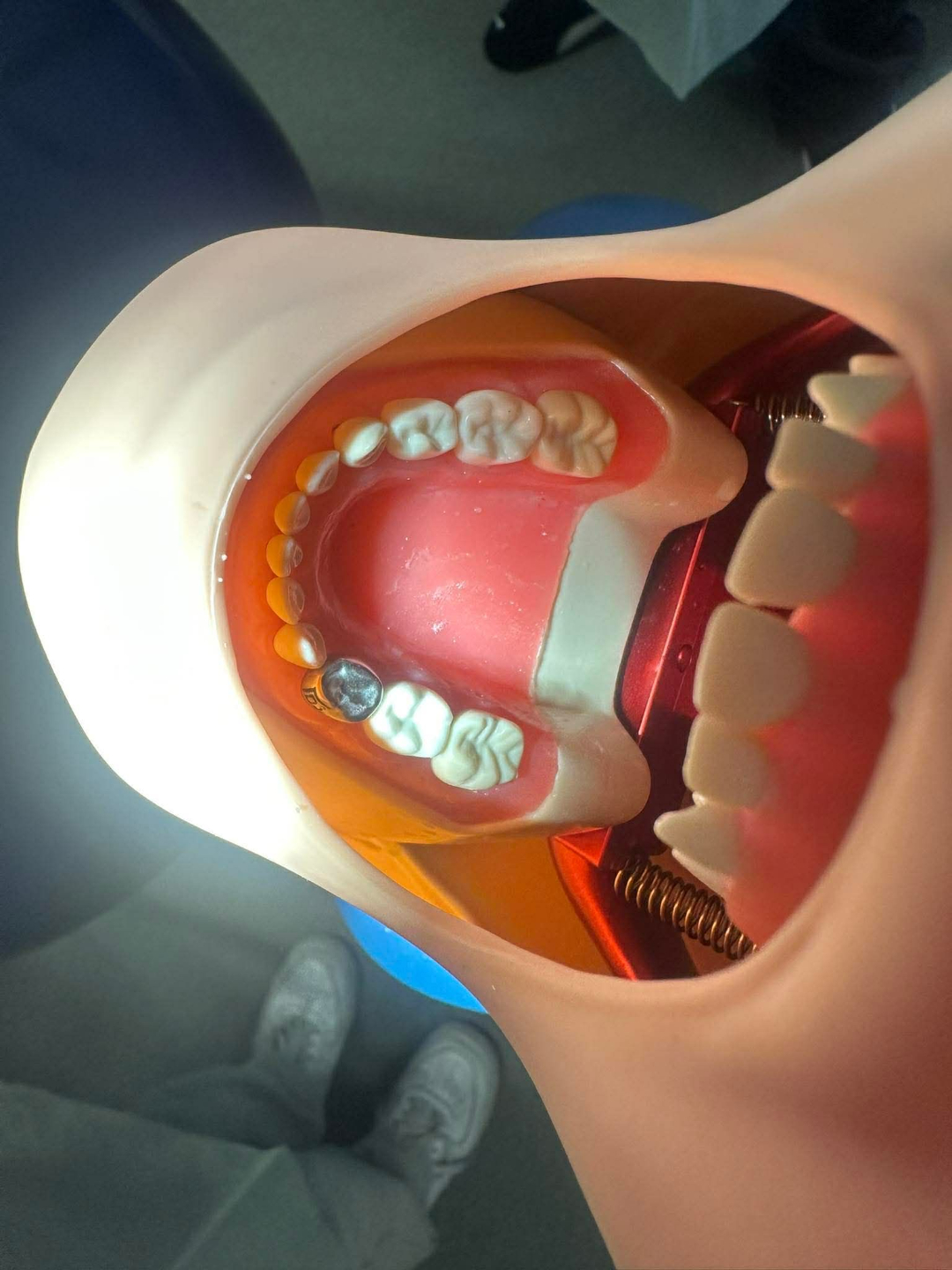
Teaches why stainless steel crowns are often the best restoration after pulpotomy and how restoration choice affects long-term success. It also includes Hall crowns and the relationship between seal, longevity, and success.
Post-operative care and monitoring
Covers documentation, discharge instructions, follow-up, warning signs, and review intervals. It also teaches participants how to recognise success or failure and when further intervention is needed.
Practical simulation workshop
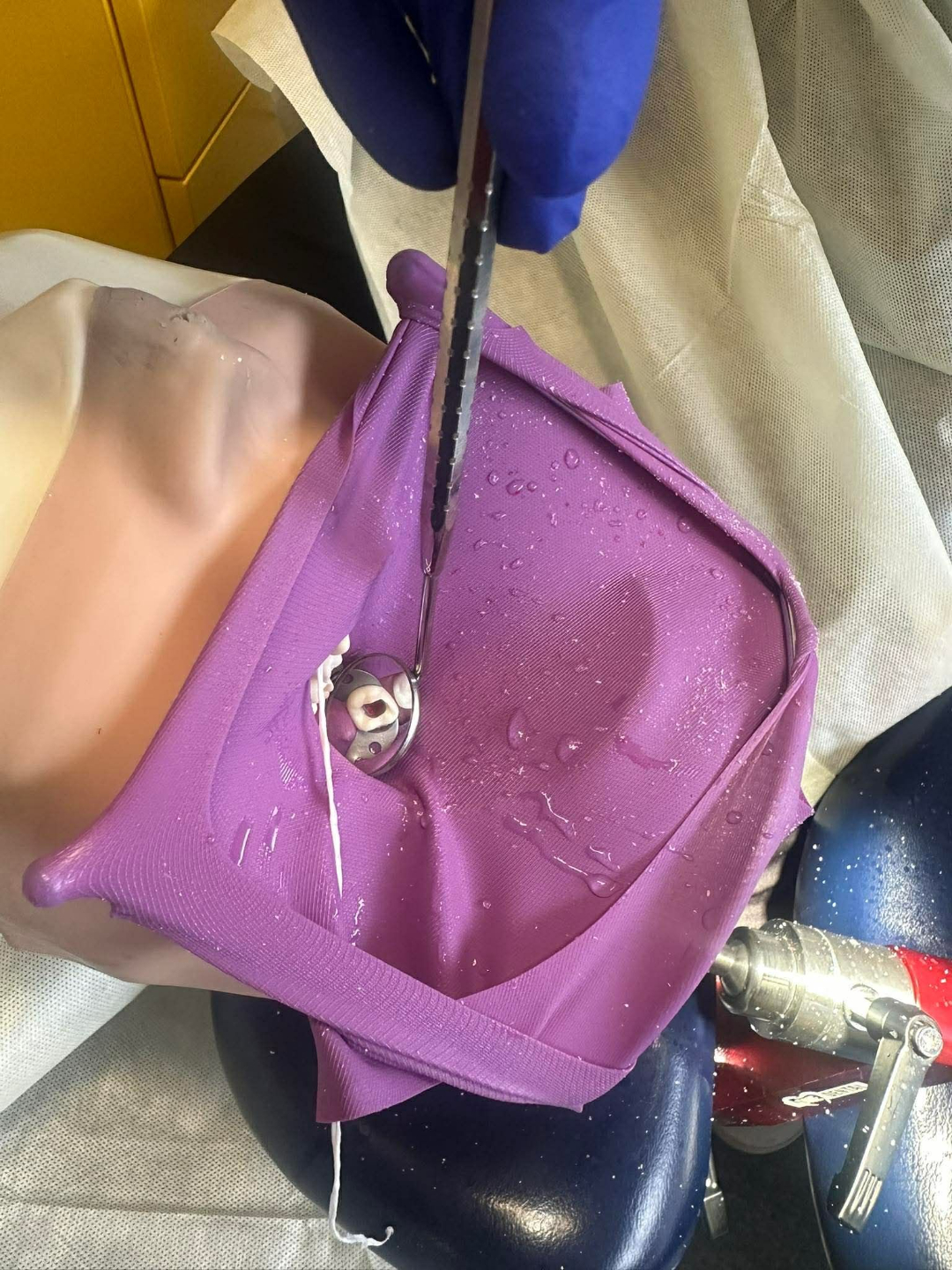
A hands-on section where participants practise pulpotomy steps, crown placement, and case-based decision-making in a supervised environment. This module should be strongly skills-based and assessment-focused
Reflection and clinical application
Encourages participants to reflect on their own practice, identify learning gaps, and transfer knowledge into everyday clinical work. It also reinforces prevention, documentation, and sustainable, patient-centred care.
Core outcomes
Waiting List: Managing Pulps & Pain in Primary Teeth
Registrations are not yet open, so join the waitlist to secure your place in line. By registering your interest, you will be among the first to receive early access when enrolments open, giving you the best chance to secure an early bird offer before spots fill.
Register Now!Skills You Will Gain
Clinical reasoning and diagnostic skills
Treatment planning and case selection skills
Technical and procedural skills
Post‑operative and monitoring skills
Practical, reflective, and professional skills