
Managing Pulps & Pain in Primary Teeth
Join Assoc. Prof. Cathy Snelling and Leah Hobbs for a highly practical, hands-on workshop designed to build your confidence in managing pulpal involvement in primary teeth and restoring them with stainless steel crowns.
Whether you're new to paediatric restorative work or looking to refine your technique, this workshop combines clear clinical theory with real chairside practice, so you leave ready to apply what you've learned the very next week.
What you'll learn:
- How to assess and diagnose pulpal involvement in primary teeth with confidence
- Step-by-step protocols for pulpotomy and pulpectomy procedures
- Practical techniques for preparing and fitting stainless steel crowns
- Tips for managing anxious young patients through these procedures
- Common pitfalls and how to avoid them, drawn from years of clinical and teaching experience
Details:
📅 20th February 2027
🕣 8:30am - 4:00pm
📍 One Dental, Unit 8/9 Packard Avenue, Castle Hill NSW 2154
Spaces are limited to ensure plenty of one-on-one time with our presenters. Book early to secure your seat!
Managing Pulps and Pain in Primary Teeth
$880
Top features
-
Includes a pre-course online module, a hands-on workshop, and a post-course online component
-
Covers key concepts such as pulp anatomy and pathology in primary teeth, pain assessment, and clinical decision-making
-
Perform multiple pulpotomies and stainless steel crown placements in a hands-on simulation environment
-
Learn under the guidance of leading oral health professionals
Includes:
- A free ThroatScope
- 10 CPD points
- Hands-on practice time with expert guidance and feedback
In Person Workshop Description
Biological Factors in Managing Pulps in Primary Teeth
Build stronger diagnostic confidence by understanding the biological factors that influence pulpal health, disease progression and treatment outcomes.
- Review the morphology and histology of primary teeth and its relevance to caries progression
- Discuss the general approach clinicians should take to maintaining pulpal health in primary teeth
- Differentiate between signs and symptoms of different types of dental pain
- List and discuss the specific factors that affect clinical decision-making and treatment
- Discuss challenges involved in accurate pain diagnosis in children and adolescents
- Differentiate between histological & clinical features of:
- a healthy pulp
- reversible pulpitis
- irreversible pulpitis
- a necrotic pulp
Clinical Management of Pulps in Primary Teeth
Translate theory into practice through evidence-based treatment planning, hands-on simulation and real-world clinical decision making.
- Examine the evidence base that underpins treatment approaches to managing pulps in primary teeth
- Discuss current organisational policies and procedures relevant to primary pulp management
- Review and confirm the steps involved in performing a pulpotomy in a primary tooth
- Review and confirm which restorative approach to use in coniunction with a pulpotomy
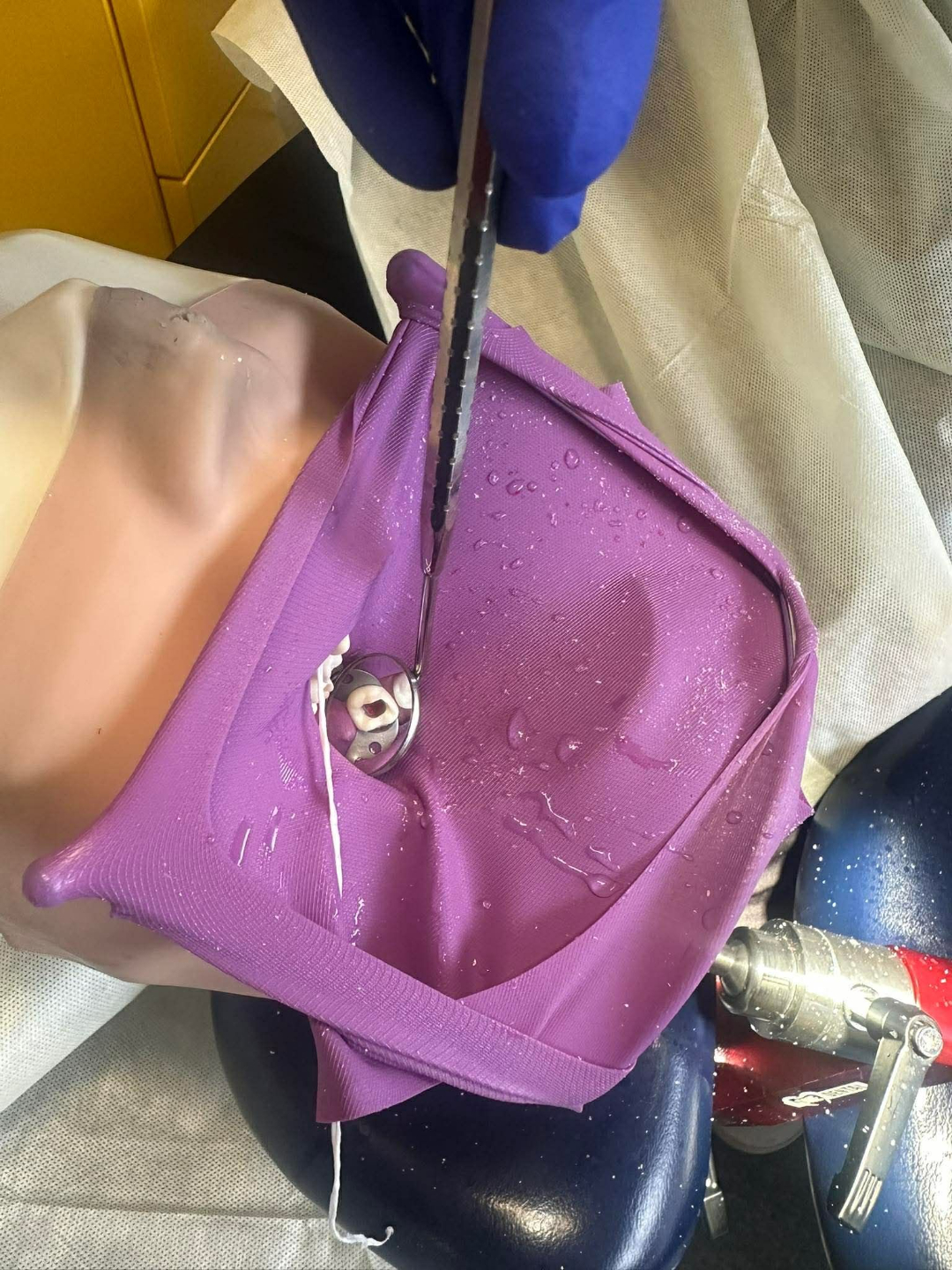
- Complete a several pulpotomies under rubber dam in an upper and lower deciduous molar in a simulation setting on a dental manikin
- Review a series of case studies to validate and reinforce the key principles of diagnosing and managing pulpal conditions in primary teeth
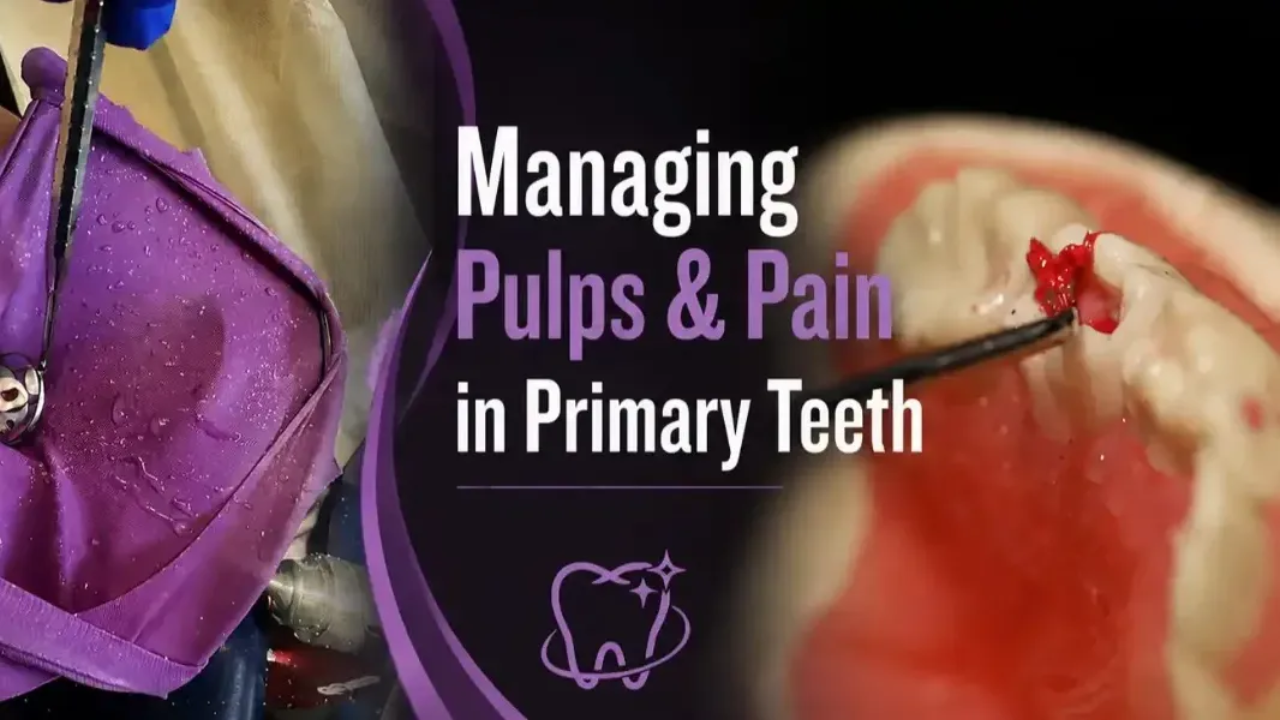
Managing Pulps & Pain in Primary Teeth
-
Course Introduction
4 lessons- Welcome to the Course
- The In-Lesson Course Structure
- Overview of in Person Workshop Day
- Outline and Objectives
-
Pre-Course Theory
9 lessons- Lesson 1.1 Primary Tooth Anatomy — Setting the Foundation
- Quick Check Quiz - Lesson 1.1
- Lesson 1.2 How Pulps Respond to Irritation
- Quick Check Quiz - Lesson 1.2
- Lesson 1.3 The Pulp Health Continuum
- Quick Check Quiz - Lesson 1.3
- Lesson 1.4 Diagnosis: Why "Watch and Wait" Doesn't Work
- Quick Check Quiz - Lesson 1.4
- Lesson 1.5 Before You Arrive
-
Post-Course Theory
9 lessons- Lesson 2.1 Clinical and Histological Features Revisited
- Quick Check Quiz - Lesson 2.1
- Lesson 2.2 Choosing the Right Treatment Pathway
- Quick Check Quiz - Lesson 2.2
- Lesson 2.3 Evidence-Based Practice in Action
- Quick Check Quiz - Lesson 2.3
- Lesson 2.4 Bringing It Together: Confident Clinical Decision-Making
- Quiz Check Quiz - Lesson 2.4
- Lesson 2.5 Reflective Practice
-
Course Wrap Up
3 lessons- Wrapping Things Up
- Continue Your Learning
- The SITE Community
Skills You Will Gain
- Understanding why pulp management in primary teeth affects patient outcomes and long‑term oral
-
Deciding when pulp therapy is appropriate and when extraction is the safer option.
- Selecting appropriate, evidence‑based pulpotomy medicaments (e.g. calcium silicate materials such as MTA and Biodentine)
-
Placing stainless steel crowns and Hall crowns, and choosing the most suitable restoration after pulpotomy.
-
Documenting procedures, findings, and decisions clearly and comprehensively.
-
Providing effective discharge instructions and structuring follow‑up and review intervals.
-
Performing pulpotomy steps and crown placement in a simulated, supervised environment, building hands‑on competence and confidence.
Who is this course for?
What will I learn in this course?
How can I access the course?
"The presenters were great - very informative, enjoyed the conversation style. I feel a lot more confident to do a pulpotomy and when to treatment plan for a pulpotomy. The practical was great, I felt well supported and felt like I gained a lot of invaluable information."
"The presenters were highly knowledgeable, articulate, understanding, and experienced.
Presenters very receptive to questions and fostered comfortable environment for open discussion without judgement."
"The shear wealth of knowledge that Cathy and Leah both have was amazing to be immersed in.
Cathy's discussion on x-ray interpretation and nerve biology was particularly insightful."
"I thoroughly enjoyed the content and presenters. They were very supportive and kind during the whole session, making the whole experience very positive. They helped me enhance my understanding and practice around pulpotomies."
"So informative, facilitators were super knowledgeable and experienced. I found the session to be of great value due to actual oral health therapist sharing their cases and experience, there was no judgement and all information/advice given was realistic to reflect everyday cases."
"All the presenters were incredibly helpful and supportive!
Excellent presenters, very intuitive and insightful into the world of primary pulpal management."