The Wait Is Over Register Now!
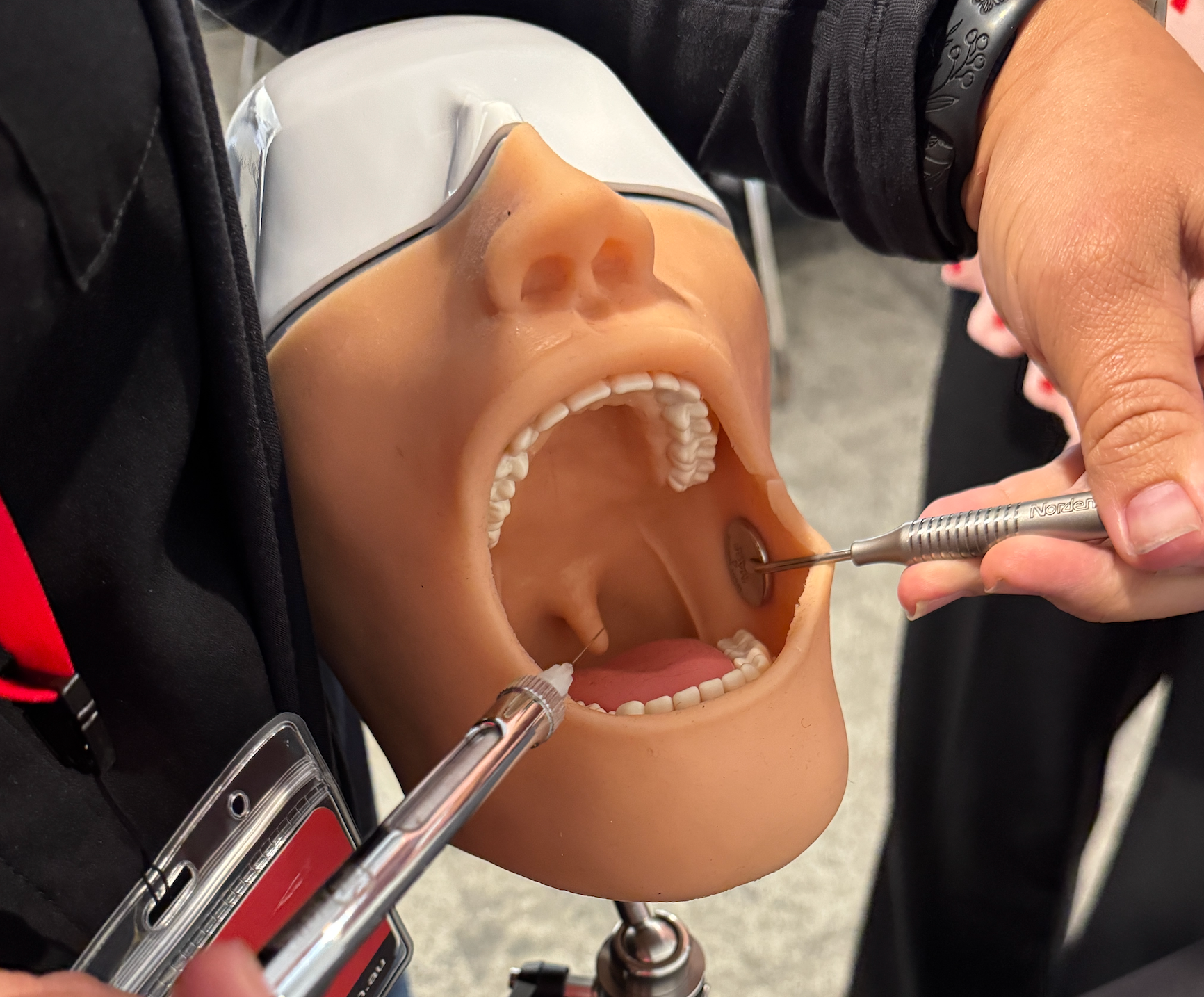
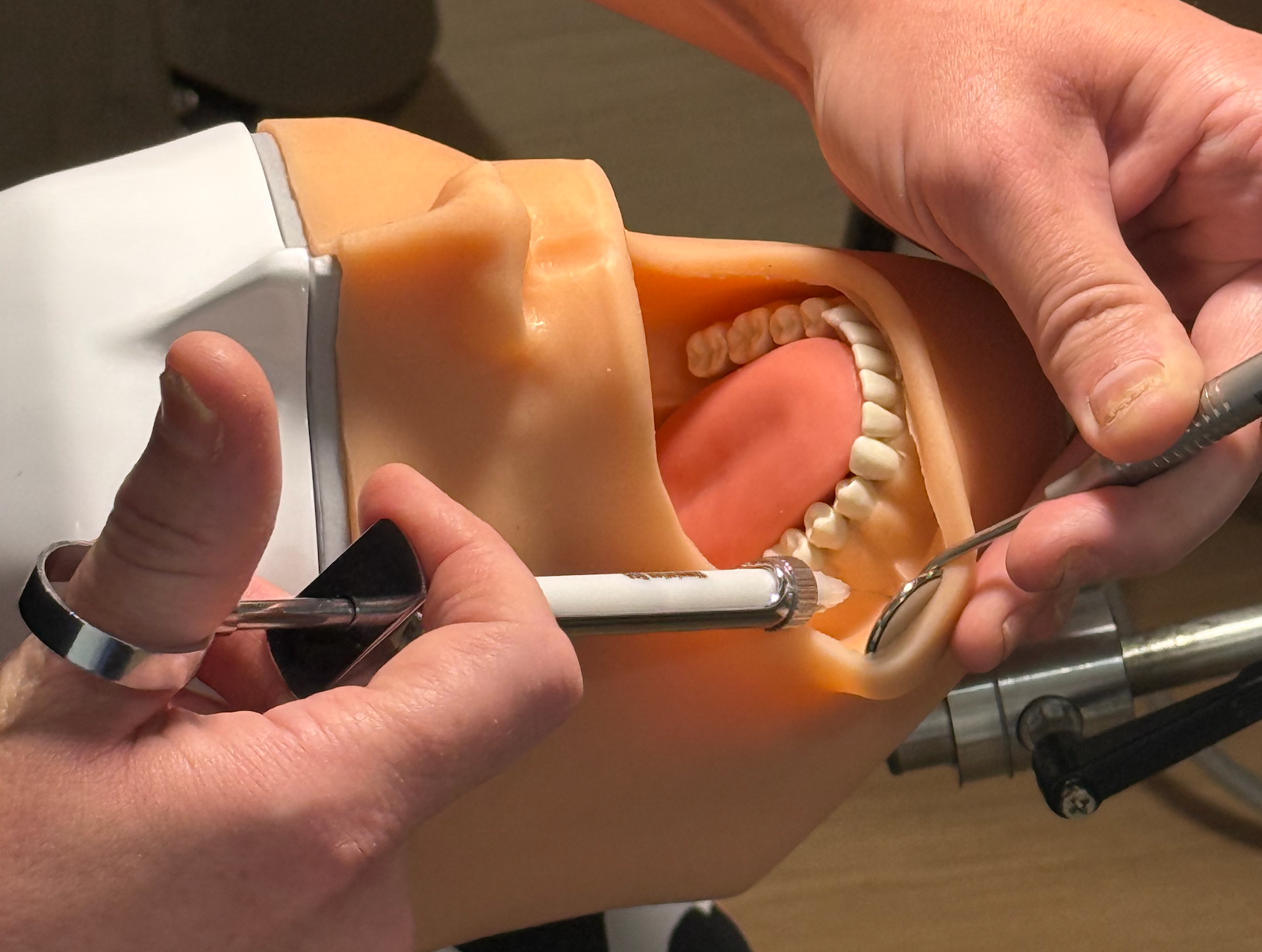
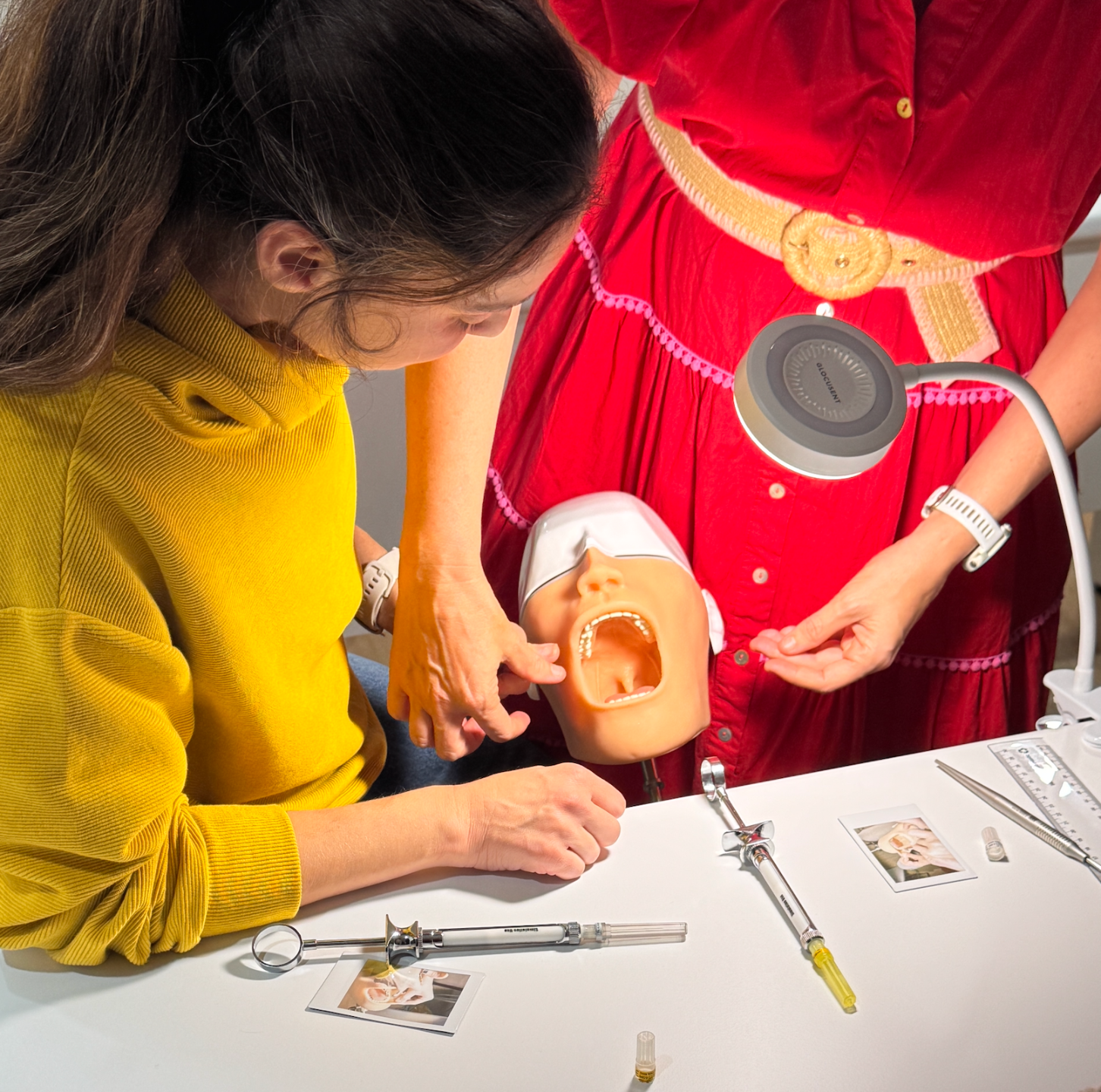
Register now for our hands-on Local Anaesthesia Techniques Workshop and build your confidence in safe, effective LA techniques. Review essential anatomy, anaesthetic agents, dosage considerations and injection techniques, with practical demonstrations and hands-on learning you can apply directly to clinical practice. Join Associate Professor Catherine Snelling & Leah Hobbs for the LA Course!
Can't get to One Dental? We may have a course near you!
Join experienced educator Associate Professor Catherine Snelling for an intimate, highly practical Local Anaesthesia workshop limited to just 10 participants. With plenty of hands-on practice and personalised guidance, you’ll build confidence in safe and effective LA administration while exploring contemporary techniques, agent selection, dosing and patient comfort.
Locations in Adelaide & Perth!
Local Anaesthesia Techniques
This course is designed to help oral health therapists and dental therapists build confidence in the safe, effective, and pain-minimising delivery of local anaesthesia in clinical practice. It places strong emphasis on neuroanatomy, pharmacology, accurate dosing, and technique selection, alongside patient comfort and evidence-based decision-making. The course is delivered in two parts: a foundational module covering the histology, neuroanatomy, and nerve pathways underpinning safe LA administration, and an in-person hands-on workshop where participants practise injection technique, work through case-based scenarios, and consolidate learning in a supervised, small-group setting.
Target Audience
- Oral health therapists
- Dental therapists
- Rural and remote practitioners with limited access to peer mentoring on LA technique
- CPD-seeking clinicians wanting an evidence-based update on contemporary agents (e.g. articaine) and delivery technology
Foundations of pain-free care
Introduces why effective, painless LA is central to patient satisfaction and return visits, and situates LA as an essential professional skill within scope of practice. It also traces the historical evolution of anaesthesia, from coca leaf use through to modern amide agents.
Pain physiology and neuroanatomy
Covers what pain is at a physiological level, including nociceptors and mechanoreceptors in the pulp and periodontal ligament. It also introduces the trigeminal nerve as the key nerve for dental anaesthesia and explains dermatomes as a tool for assessing anaesthesia spread.
Maxillary anatomy and anaesthesia
Focuses on the branches of the maxillary nerve (V2) — posterior, middle and anterior superior alveolar, infraorbital, and palatal nerves — and their clinical relevance. This module reinforces how infiltration is usually sufficient in the maxilla, with blocks reserved for specific procedures.
Mandibular anatomy and nerve block techniques
Covers the branches of the mandibular nerve (V3) and the anatomical landmarks underpinning a reliable IAN block. It also introduces alternative mandibular techniques — Gow-Gates, Akinosi, buccal and mental nerve blocks — and why the mandible is more technique-sensitive than the maxilla.
Pharmacology of local anaesthetic agents
Explains the chemical structure of LA molecules (lipophilic, intermediate chain, hydrophilic components) and the ester vs amide classification, including how each is metabolised. It also breaks down every component of a carpule and why each ingredient is included.
Selecting and dosing LA agents safely
Compares commonly used agents — lidocaine, articaine, mepivacaine, and prilocaine — by properties, onset, duration, and indications, including recent research on articaine in paediatric dentistry. This module reinforces safe maximum dosage calculations and the risks of overdosing, alongside the role and risks of vasoconstrictors.
Delivery techniques and patient comfort
Covers topical anaesthetics, needle gauge selection, and the range of injection techniques (infiltration, block, intraligamentary, intraosseous, intrapulpal). It also introduces comfort-focused delivery approaches such as the "Velvet Touch" technique and computer-assisted delivery systems (e.g. the Wand, Calaject).
Practical simulation workshop
A hands-on section where participants rotate between supervised injection practice and case-based scenario discussion. This module should be strongly skills-based and assessment-focused, consolidating anatomical and pharmacological knowledge into safe clinical performance.
Reflection and clinical application
Encourages participants to reflect on their own practice, identify learning gaps, and transfer knowledge into everyday clinical work. It also reinforces prevention, documentation, and sustainable, patient-centred care.
Core outcomes
Skills You Will Gain
Clinical reasoning and diagnostic skills
Pharmacological knowledge and agent selection skills
Technical and procedural skills
Risk management and safety skills
Practical, reflective, and professional skills